

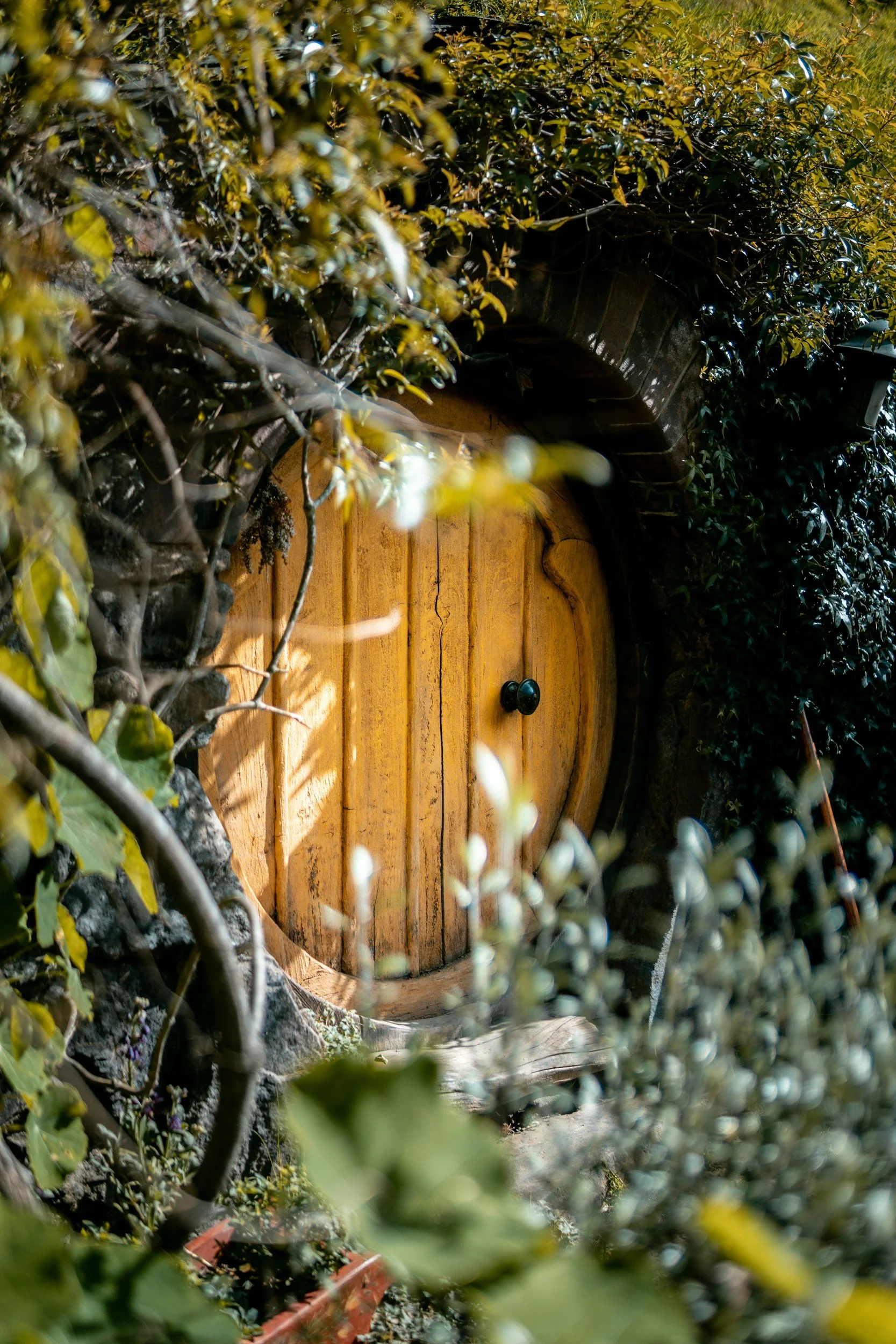
Hobbits Had Guardians. We Have a Patient Portal.
Before Frodo leaves, there is the Shire. Tolkien spends his opening chapters in gardens and hedgerows and second breakfasts, and he does not appear to be in a hurry. He wants you to know the place before he sends his hobbit anywhere; he wants you to feel, very precisely, what is at stake.
When we meet patients living with complex conditions, this is often the first thing they tell us without quite telling us. They describe the kitchen, the chair by the window, the corner of the porch that catches the afternoon light. They are telling you about the Shire. They are telling you where most of their actual care happens.
What Runs in the Family: The Medicine We Inherit Before We Know We Need It
Families are extraordinarily good at not talking. They mean well. They protect. They simplify. And in the space of all that protection, health histories go unspoken for decades. What does not get named cannot inform care.

Some People Were Born to Make Others’ Lives Sweeter
A warm presence in the exam room isn't a nicety. It's a neurochemical event… and it changes what healing looks like.
Tending What Is Unseen: Garden Spells and the Garden as a Metaphor for Continuity in Care
Most modern healthcare does not feel like this. Patients experience care as fragmented and hurried, more like a series of isolated encounters than a living story. Systems do not speak to one another. Records scatter. And the deeper arc of a person's health becomes something no single clinician can hold. Yet the body, like the garden, operates continuously even when no one is watching. It develops silent patterns long before symptoms are noticeable. It reveals small clues that only make sense when viewed across time. What it needs is consistent tending. What it needs is continuity.